
Blockade of the Strait of Hormuz: How We Managed the Logistics Crisis and Secured Chemical Supplies to Europe
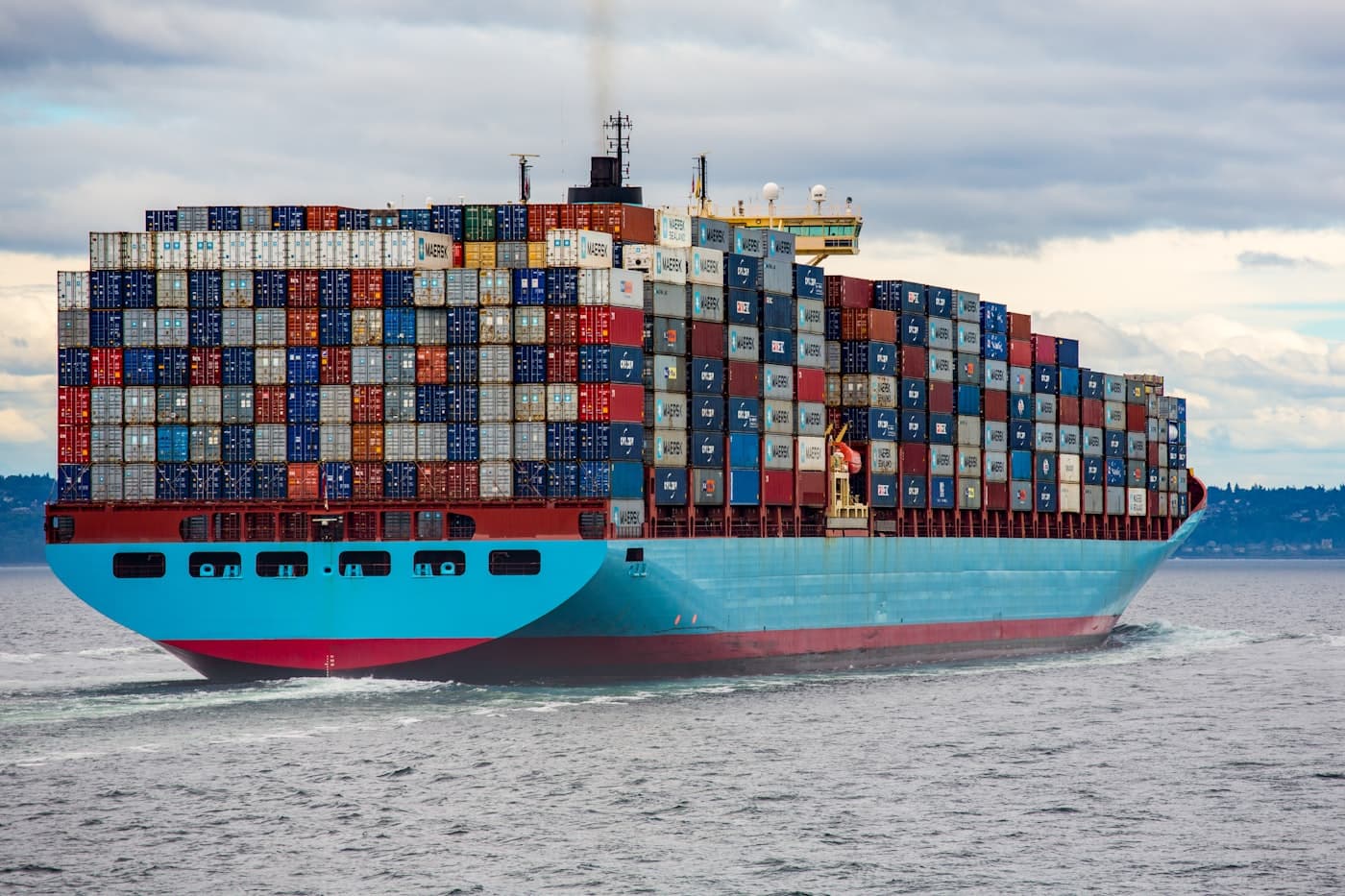
The global supply chain recently faced one of its biggest stress tests in modern history. The blockade and rising tensions in the Strait of Hormuz, a crucial artery for global trade, almost completely halted shipping and pushed container freight rates skyward. Here is how this situation affected European buyers and how we at NexChem Solutions ensured our clients did not experience raw material shortages.
When a Strategic Gulf Bottleneck Paralyzes Shipping
The Strait of Hormuz connects key chemical producers with the rest of the world. A sudden blockade or security risk in this narrow strait forced shipping lines and insurers to immediately re-evaluate risks. In practice, this brought to the market:
- Cancellation of shipping insurance (P&I insurance) for vessels heading to or from the Gulf.
- Extreme increases in freight rates due to risk surcharges.
- Cargo buildup in ports and the threat of long-term shortages of basic chemical raw materials for European industry.
Threat to the European Chemical Industry
Since European chemical manufacturing operates primarily on a Just-in-Time schedule, any delay in fundamental raw materials can be critical. The shortage of items like epoxy or alkyd resins could completely halt production lines for industrial coatings or construction chemistry within days. For buyers, the most crucial question suddenly was not the price, but the certainty that raw materials would actually arrive.
"During this crisis, it became clear that those who do not rely on luck, but have diversified sources and a strong partner with local warehouses, win."— Farruh Jusupov, Co-Founder
How Did We Respond at NexChem Solutions?
Our mission was to shoulder all logistical risks so our clients could continue manufacturing uninterrupted. We navigated the crisis successfully using three core strategies:
- Diversification of transport routes: We reacted immediately to threats in the Strait and actively sought alternative logistical hubs outside the risk zone for subsequent shipments.
- Activation of strategic reserves: Thanks to our local warehouse facilities in Europe, we bridged the critical time window when Middle Eastern deliveries were paralyzed. Our clients did not have to wait for geopolitical tensions to resolve.
- Proactive communication: We monitored the situation 24/7. We kept clients transparently informed and flexibly adjusted planning to ensure their operations were never put at risk.
This crisis once again highlighted the importance of having a flexible partner. If you want to secure stable supplies regardless of the global situation, contact us today — we will gladly design a safe, tailored solution for you.